
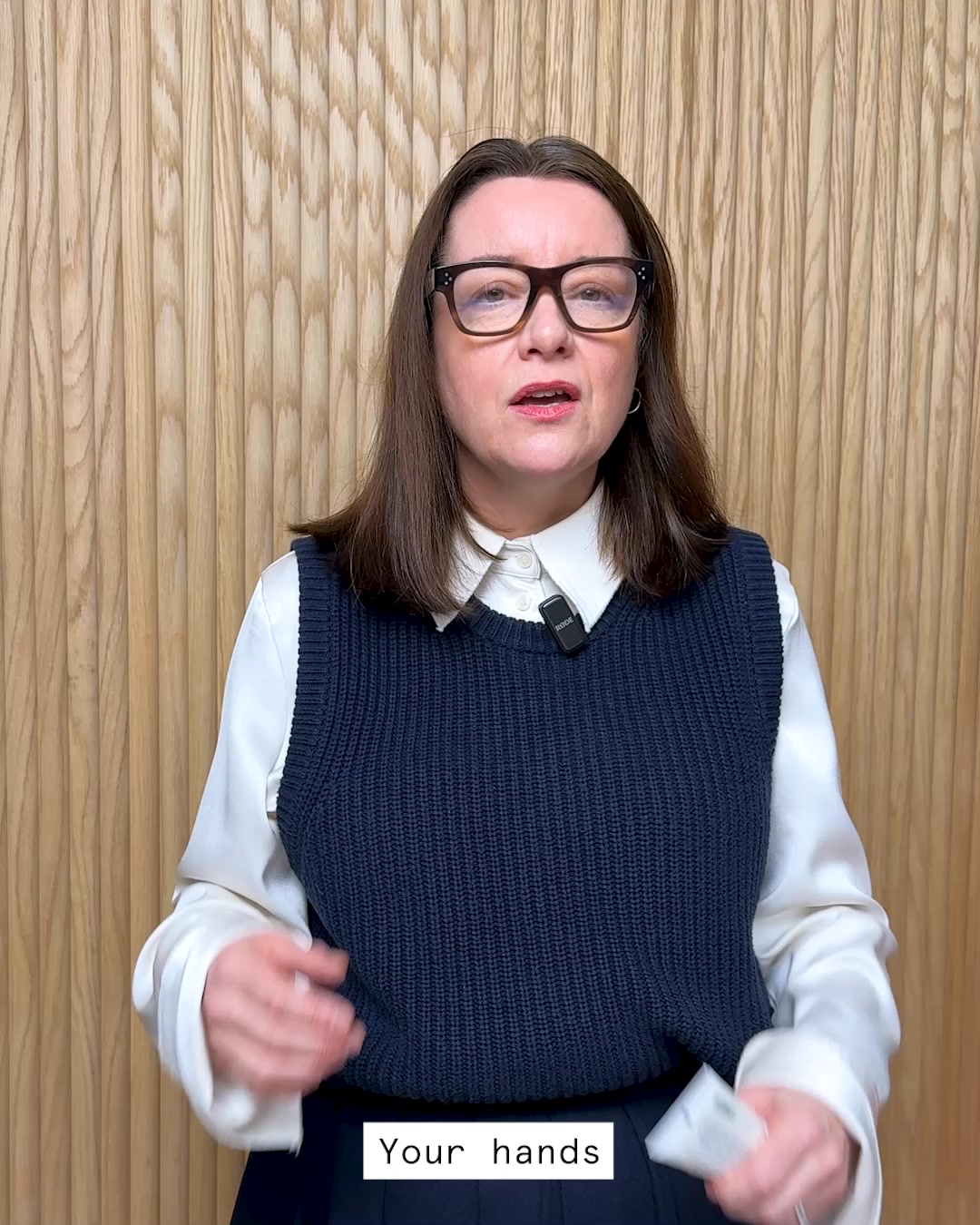
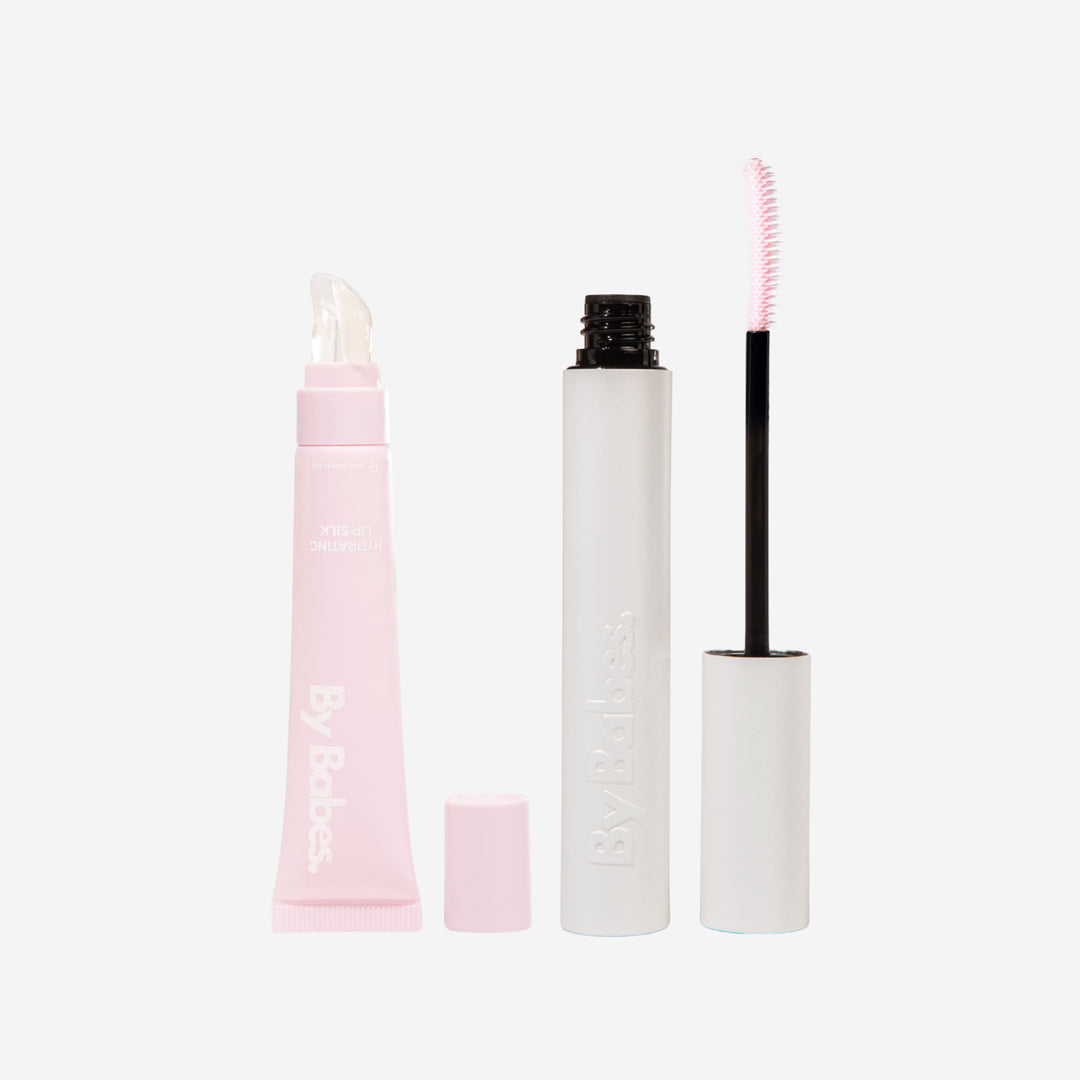
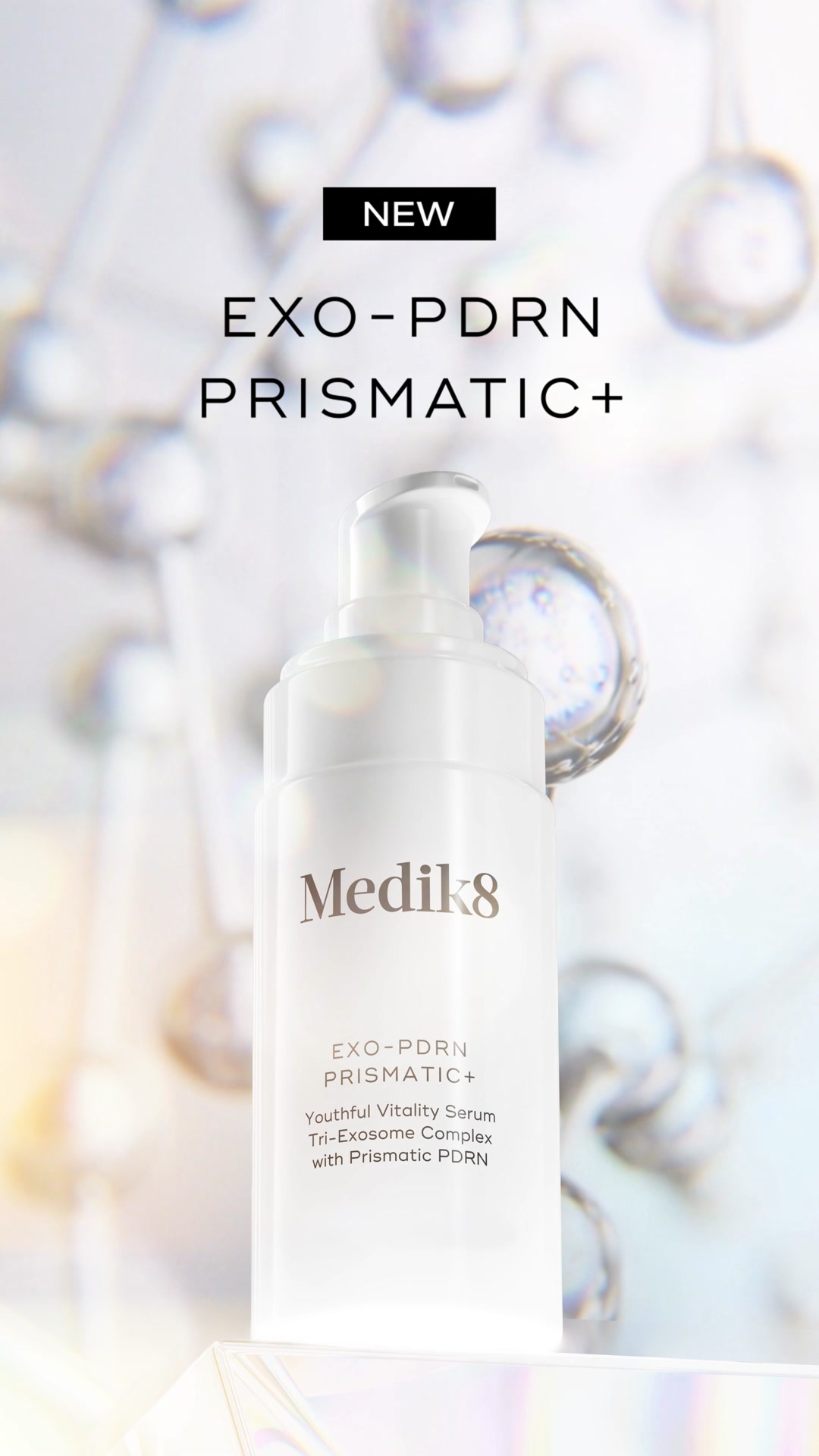

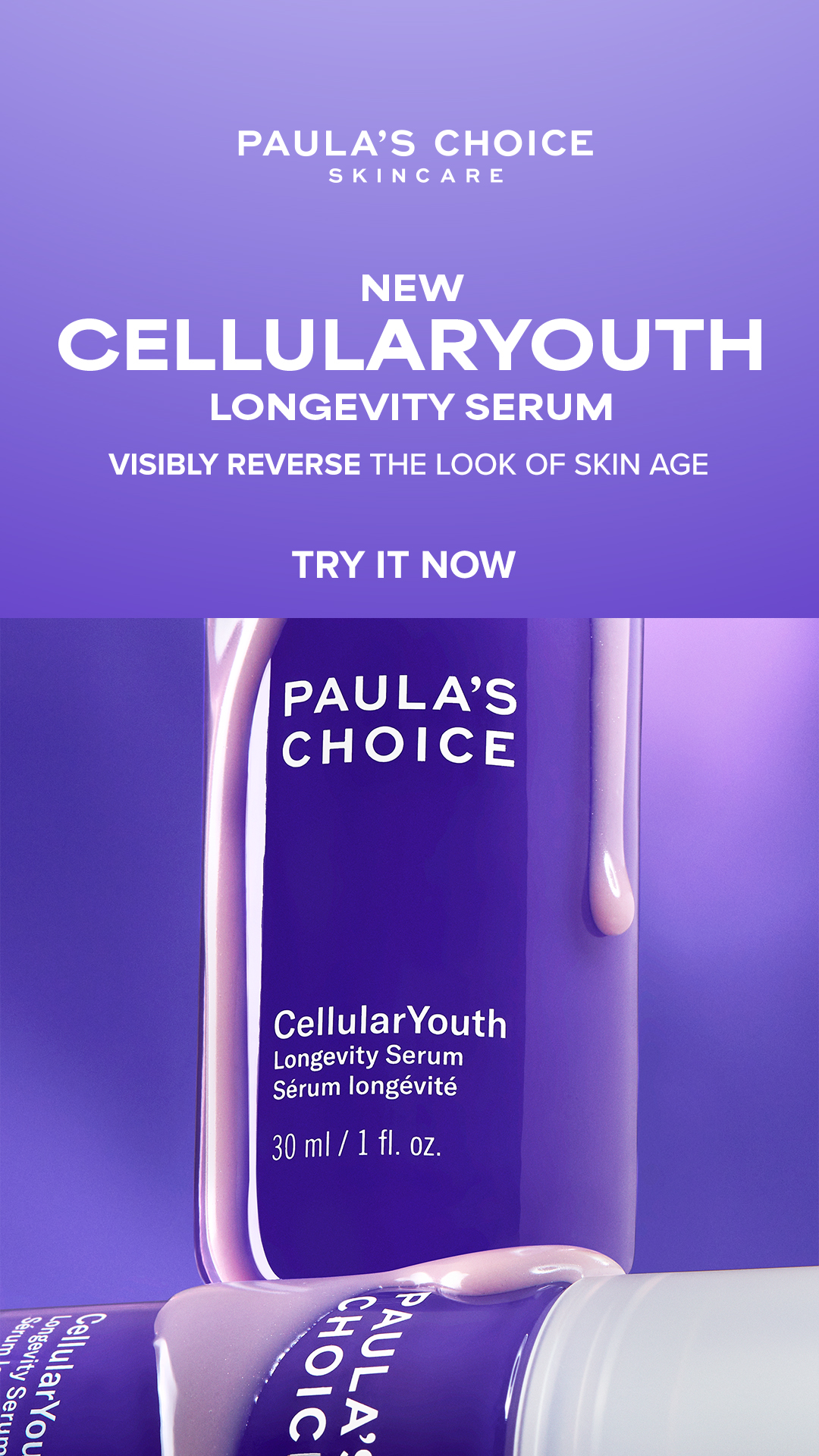

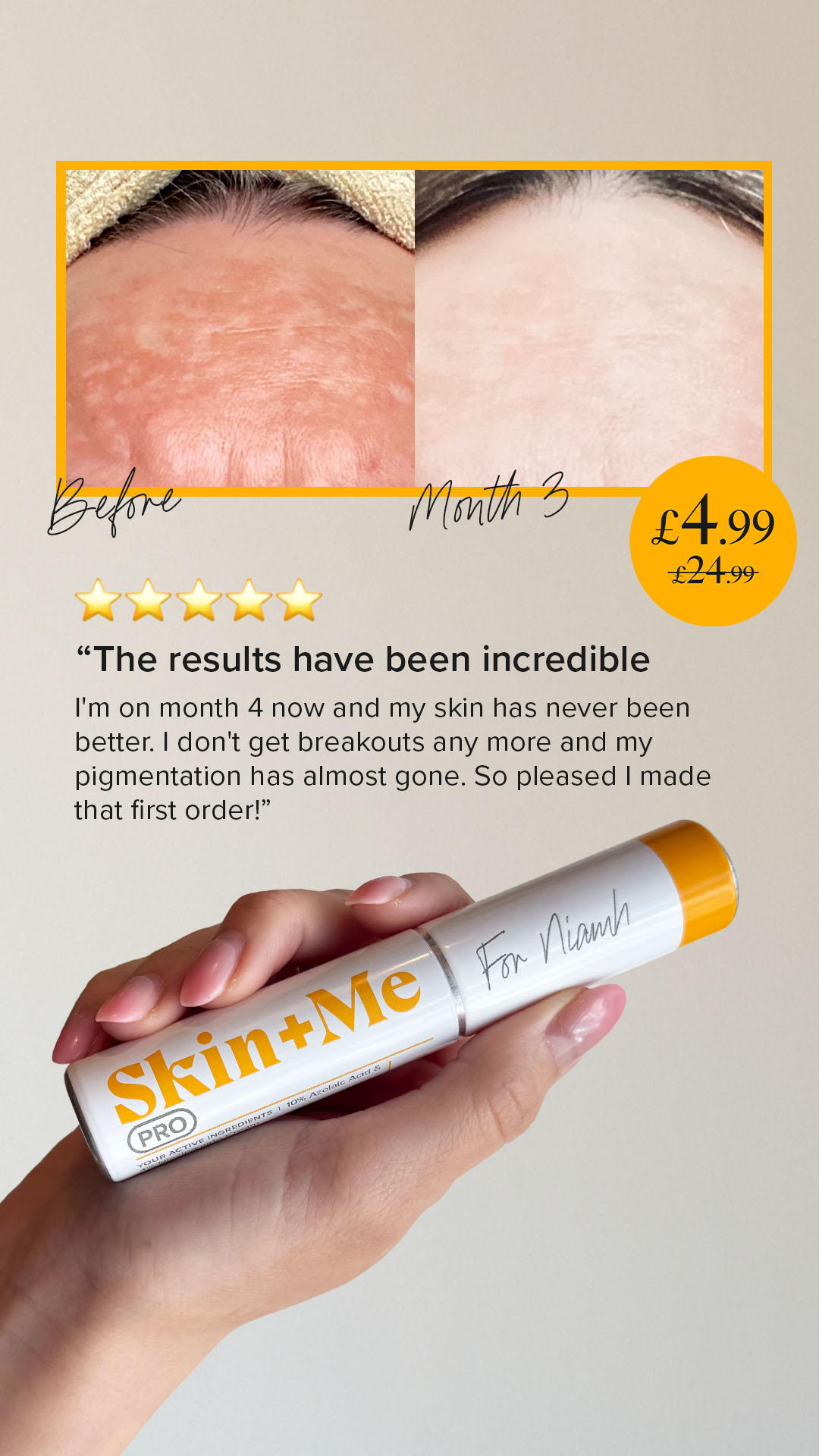




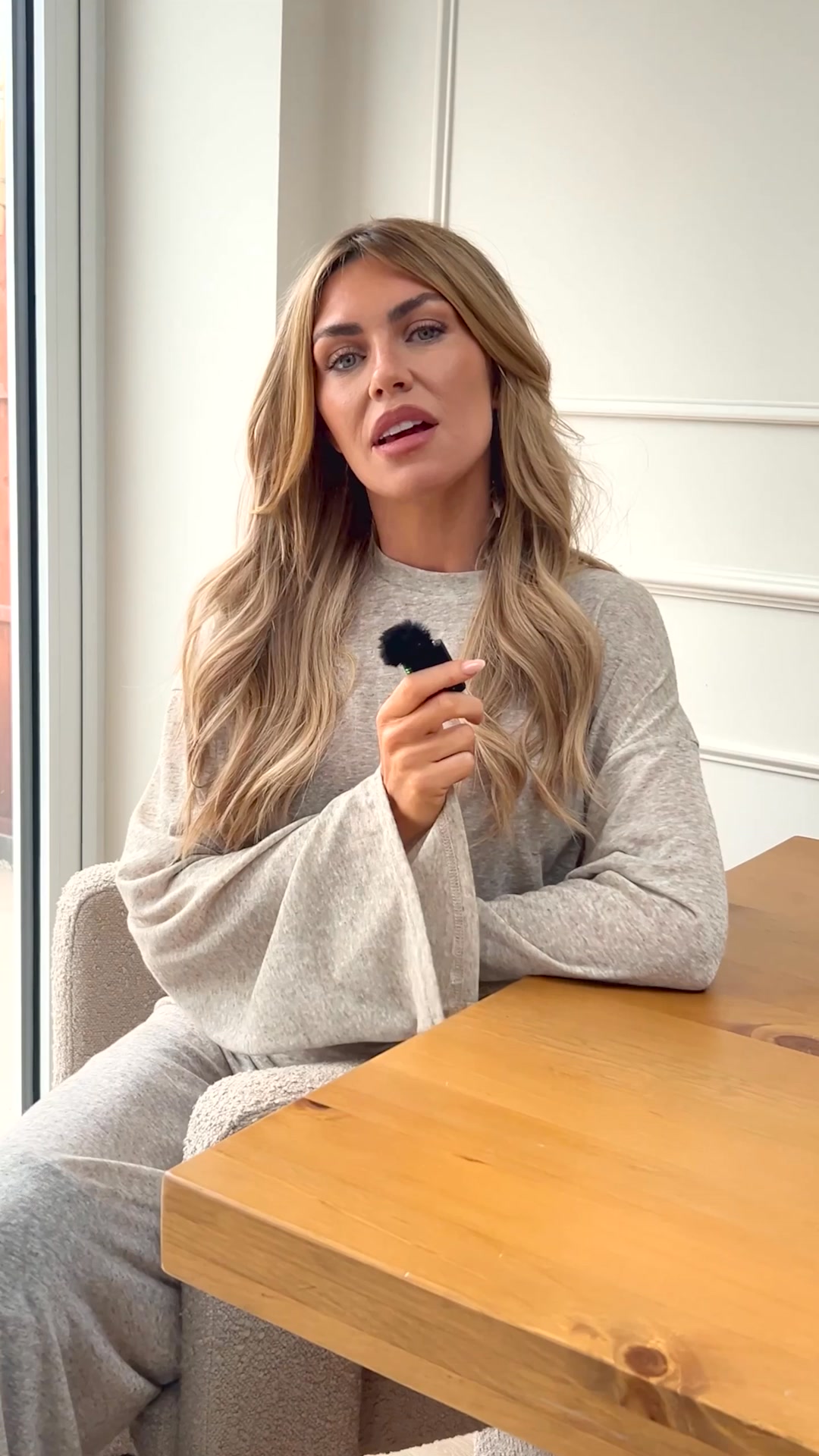




We pulled every live ad from ten advertisers in one category and counted what was actually in there. This page is what the count showed, with the ads on screen so you can check it yourself.
Every one of these ten had more than sixty live ads on the day we counted. The smallest library was 69. The largest was 144.
If you are running eight ads, no amount of clever targeting closes that. They are simply in the auction more often than you are, against more audiences, with more chances to find the one combination that works.
Volume is a real bottleneck, and it is usually the first one worth fixing.
The same ten brands are working off roughly 30 distinct headlines each. The median advertiser turns about 30 ideas into 95 live ads.
60% Off Your First Order60% Off Your First Order60% Off Your First Order60% Off Your First Order60% Off Your First Order60% Off Your First Order60% Off Your First Order60% Off Your First Order 60% Off Your First Order
 60% Off Your First Order
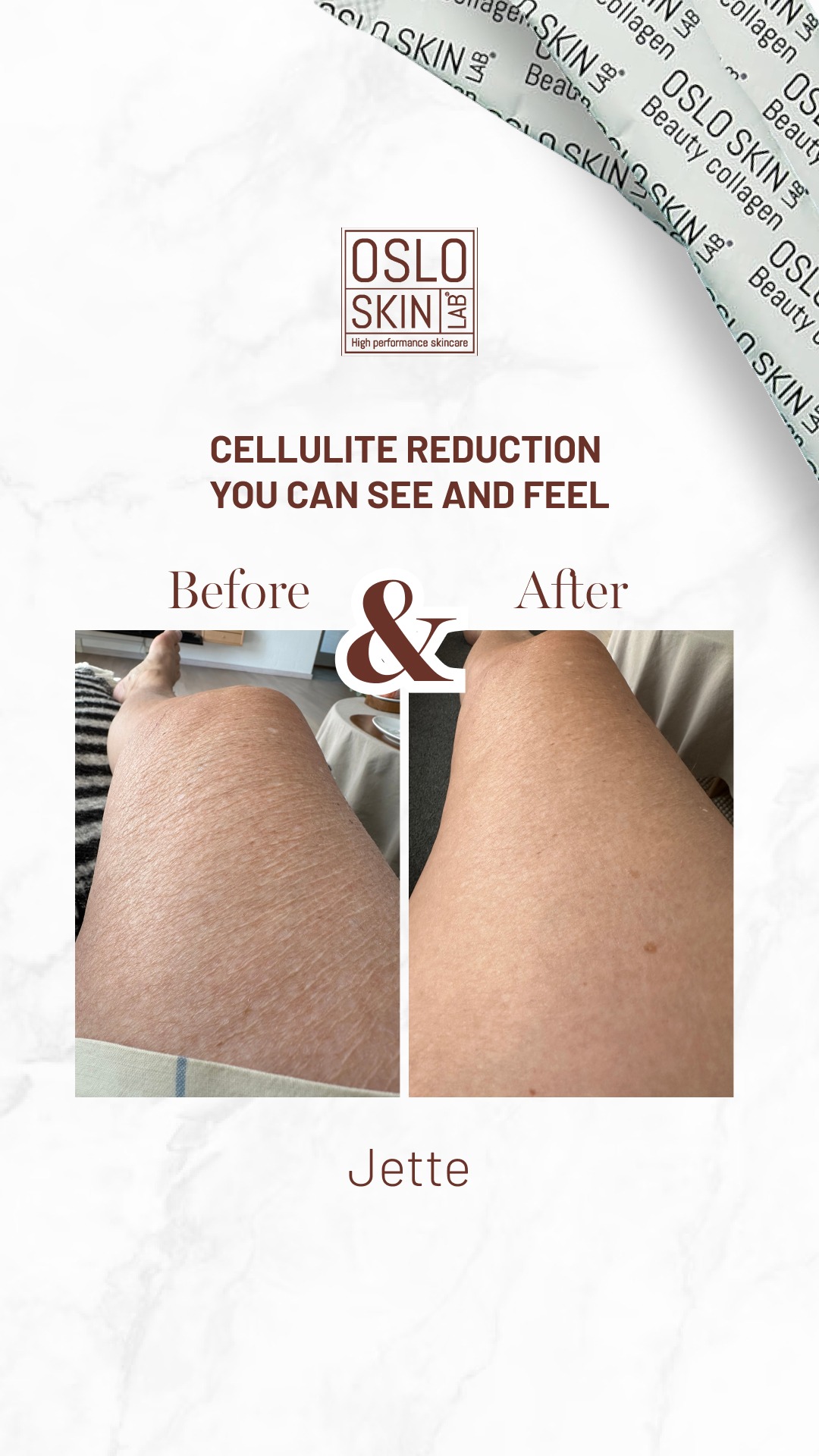 60% Off Your First Order
 60% Off Your First Order
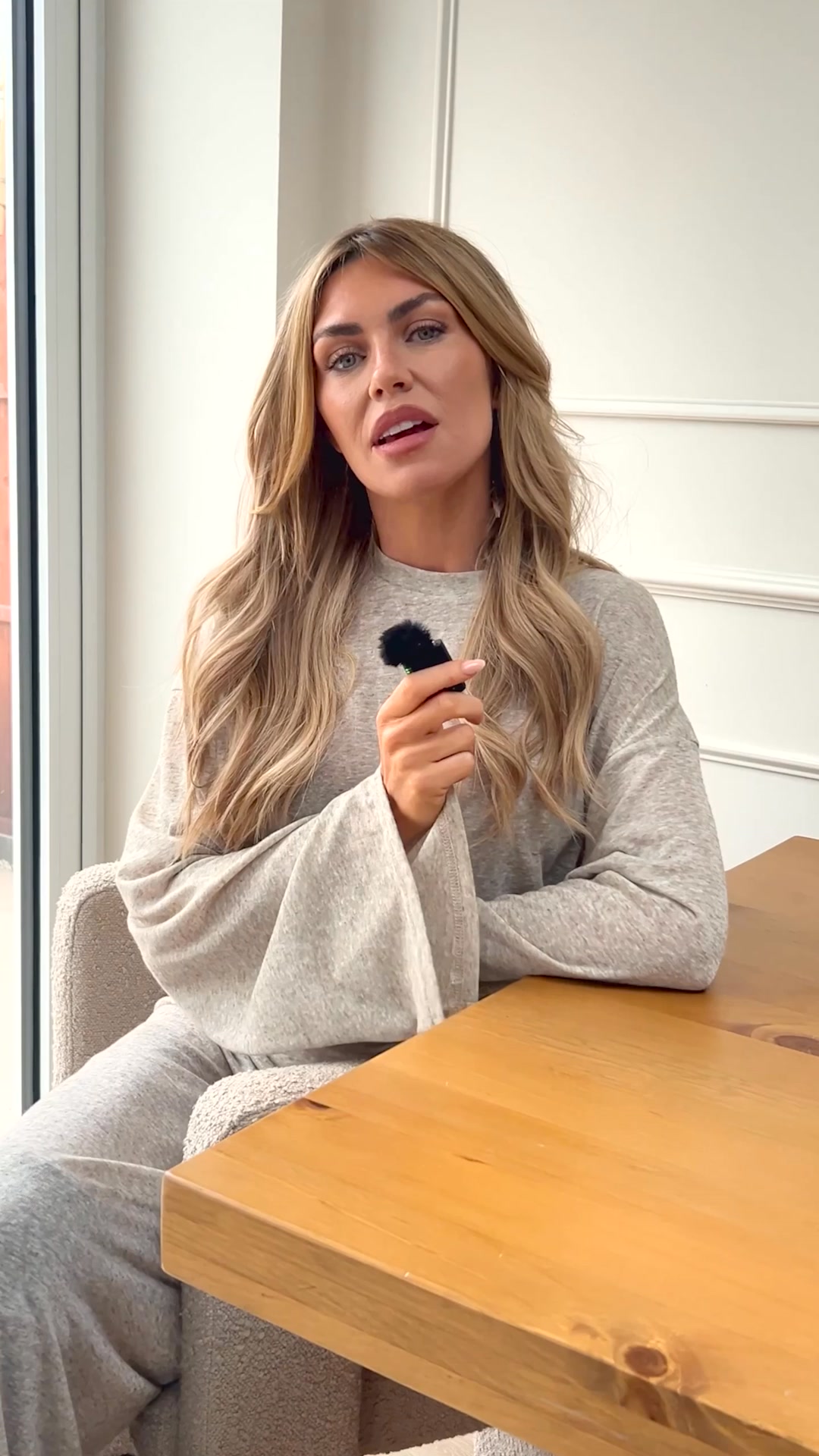 60% Off Your First Order
 60% Off Your First Order
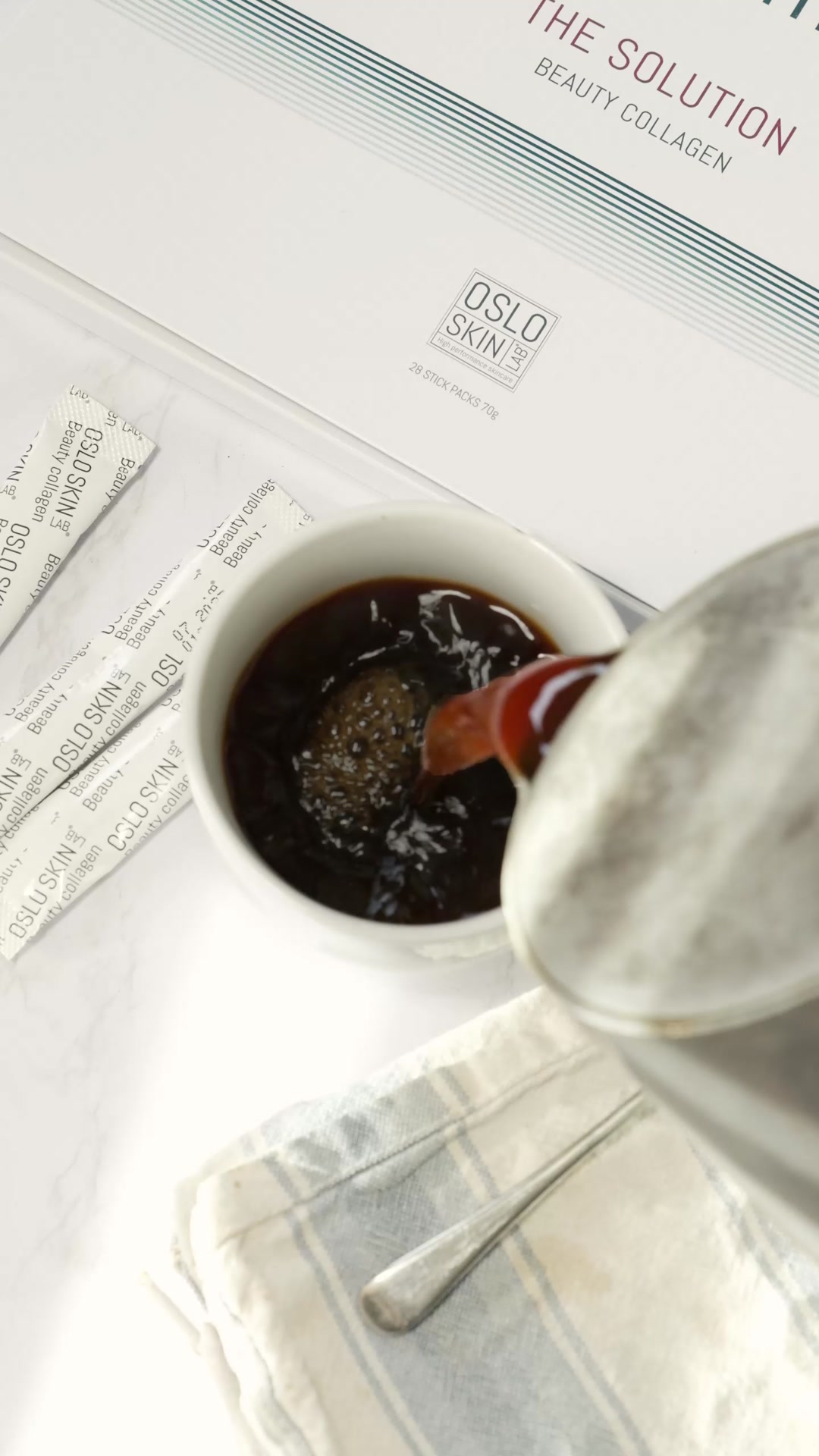 60% Off Your First Order
Different images, different cuts, sometimes a different product in frame. One offer underneath all of it.
Across all 1,028 ads there are exactly 2 carousels, and both belong to one brand. Nine of the ten have never put one into market.


“Shop now” sits on 77.2% of everything in the set, and 49% of the ads drop the click straight onto a product page. Five of the ten run a single call to action on more than 90% of their library.
For a brand with a big library that is a rounding error. For a brand building its first forty ads it is the cheapest way to look different from everyone above you, because the format and the ask are decisions rather than budget.
Trinny London has 61 ads still running past ninety days, inside a library of 143. Their median ad has been live 87 days.
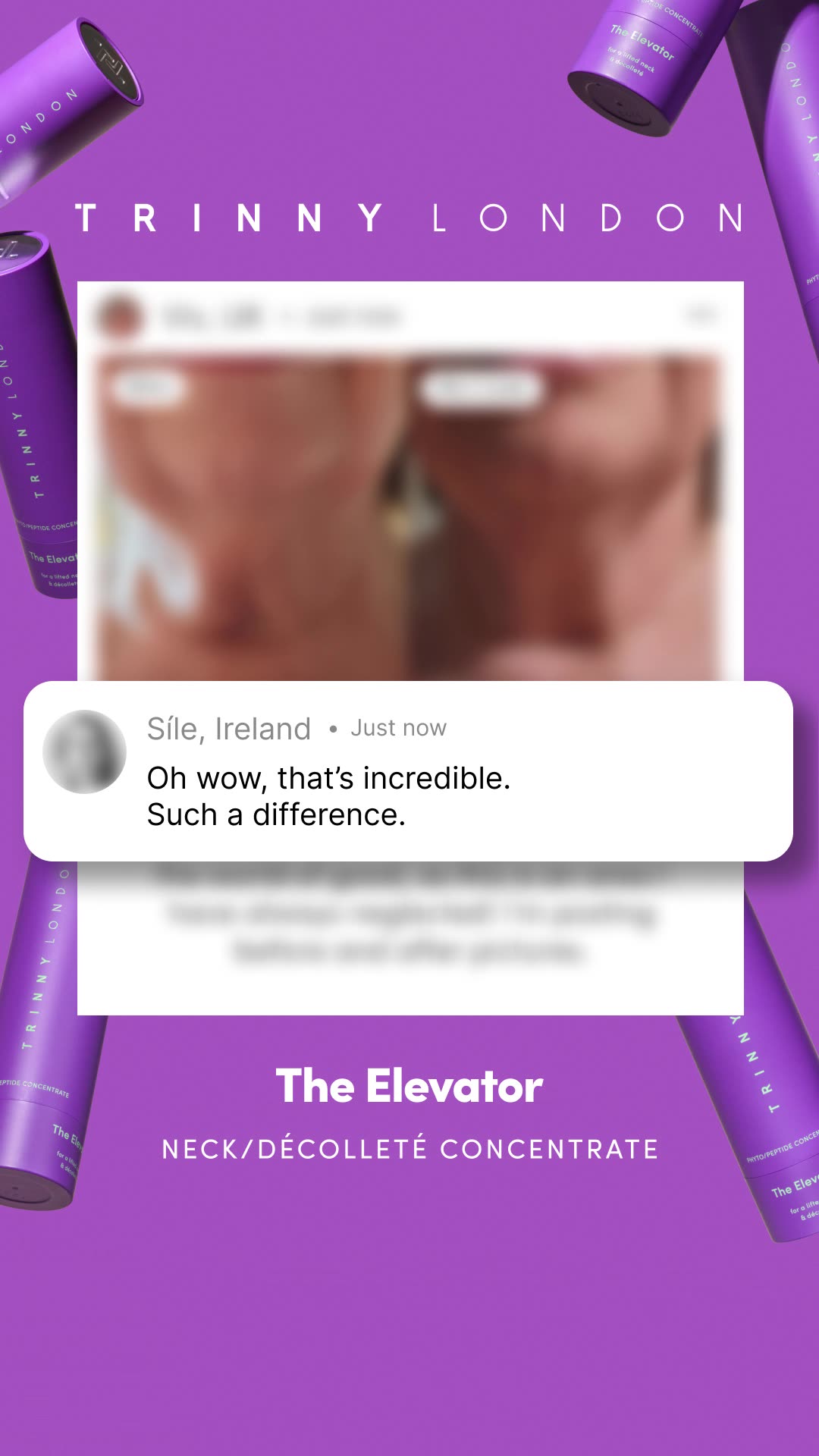
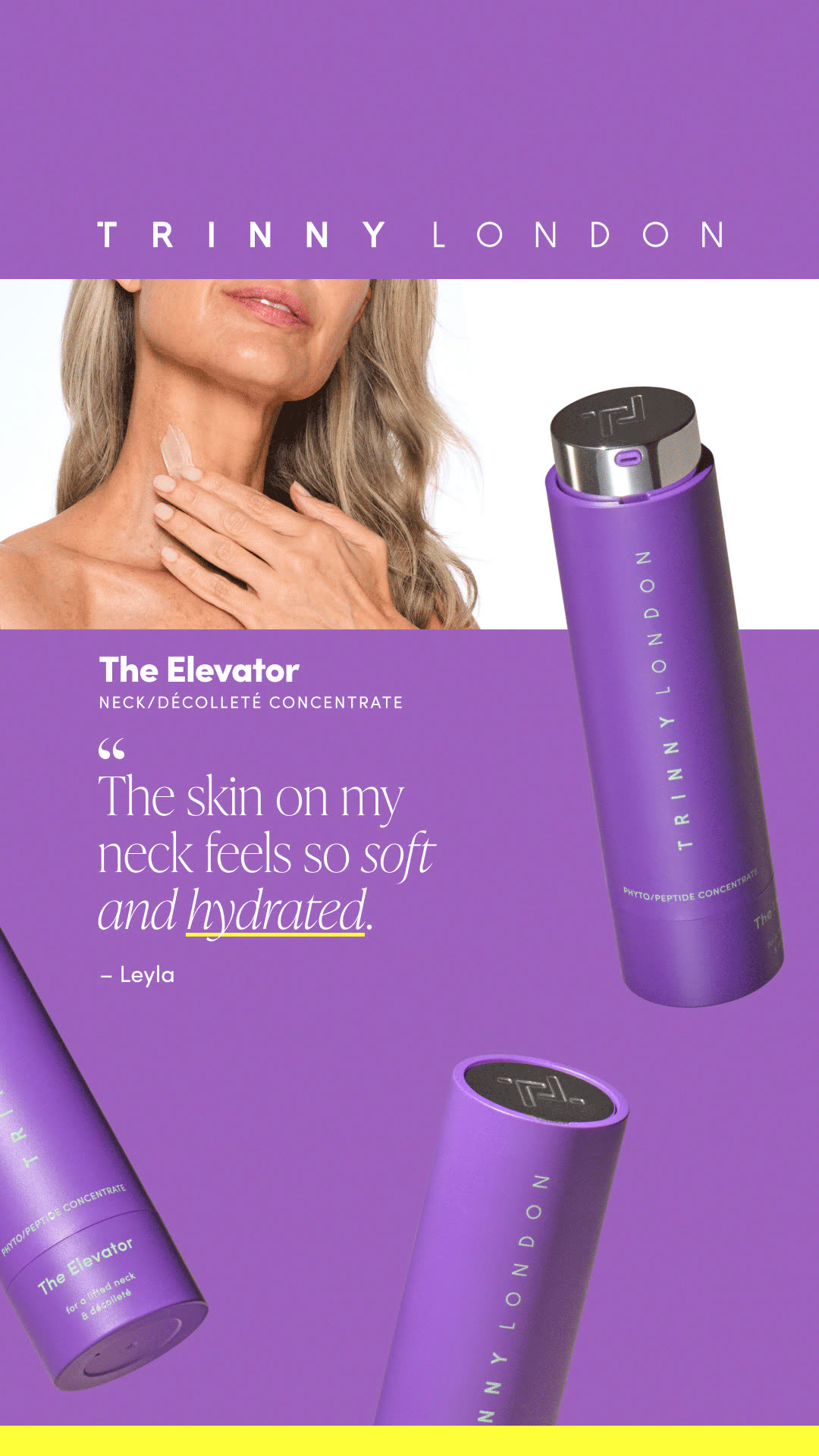


At the other end of the same category, nothing in Medik8’s account of 88 has ever reached ninety days. The oldest thing in there had been up for 17.
Finding a winner is the cheap half. Most of the return arrives in the variations you build off it afterwards, and at your size that compounding matters more than it does for anyone above you.
The route from where you are to a library that competes is narrower than the 95 suggests.
The count is honest about its edges. These are the things it does not know.
Everything here was in market on 17 July 2026. Anything paused before then is invisible to us, and these counts move daily.
UK skincare. We ran the same count across 5 Australian spirits and non alcoholic advertisers on 5 August, 225 ads, and the shapes repeated: 64% on a single call to action, one brand running fourteen ads off four headlines. A pattern worth checking, and not yet a law.
The public library shows what shipped and how long it stayed up. Never ROAS, spend, or what any of it earned. A big library is not proof of a profitable one.
The library records that an ad was video. Who filmed it is not in there.
Everything here is about the shape of a library. Forty bad ads beat eight bad ads only slightly.
Send us your brand name and we will run the same read against your ad library: how many live ads you have, how many distinct angles are actually behind them, and which of the openings above is sitting unused in your category.
No call, no pitch. You get the read whether you work with us or not.
Book a call →First batch is usually live in about two weeks. One brief, one channel, and the volume of creative your media buyer keeps asking for.